Eco-friendly printing has moved from niche to expected across Canadian businesses serving environmentally-conscious customers. From law firms whose clients ask about sustainability practices to wellness brands whose entire identity is built on it, the print materials your business uses are increasingly part of the brand-values story you tell. This pillar guide walks Toronto businesses through what is actually possible in 2026, recycled stock options, vegetable-based inks, carbon-neutral shipping considerations, FSC certification, and the practical choices that signal genuine sustainability versus marketing greenwashing.
What Eco-Friendly Printing Actually Means in 2026
Three different sustainability claims get bundled together in marketing, but they measure different things:
- Post-consumer recycled content. The percentage of recycled paper fibers in the stock. 30% post-consumer is the working norm for eco-positioned printing; 100% post-consumer exists but is rarer and more expensive.
- FSC certification. The Forest Stewardship Council certifies paper sourced from responsibly-managed forests, not necessarily recycled, but harvested with environmental standards.
- Vegetable-based vs petroleum-based inks. Soy and other vegetable inks have lower volatile organic compound (VOC) emissions and biodegrade more readily than petroleum-based inks.
Genuine eco-printing combines multiple of these. Greenwashing typically picks one and emphasizes it without acknowledging the rest.
The Eco-Friendly Product Range at Cheque Store
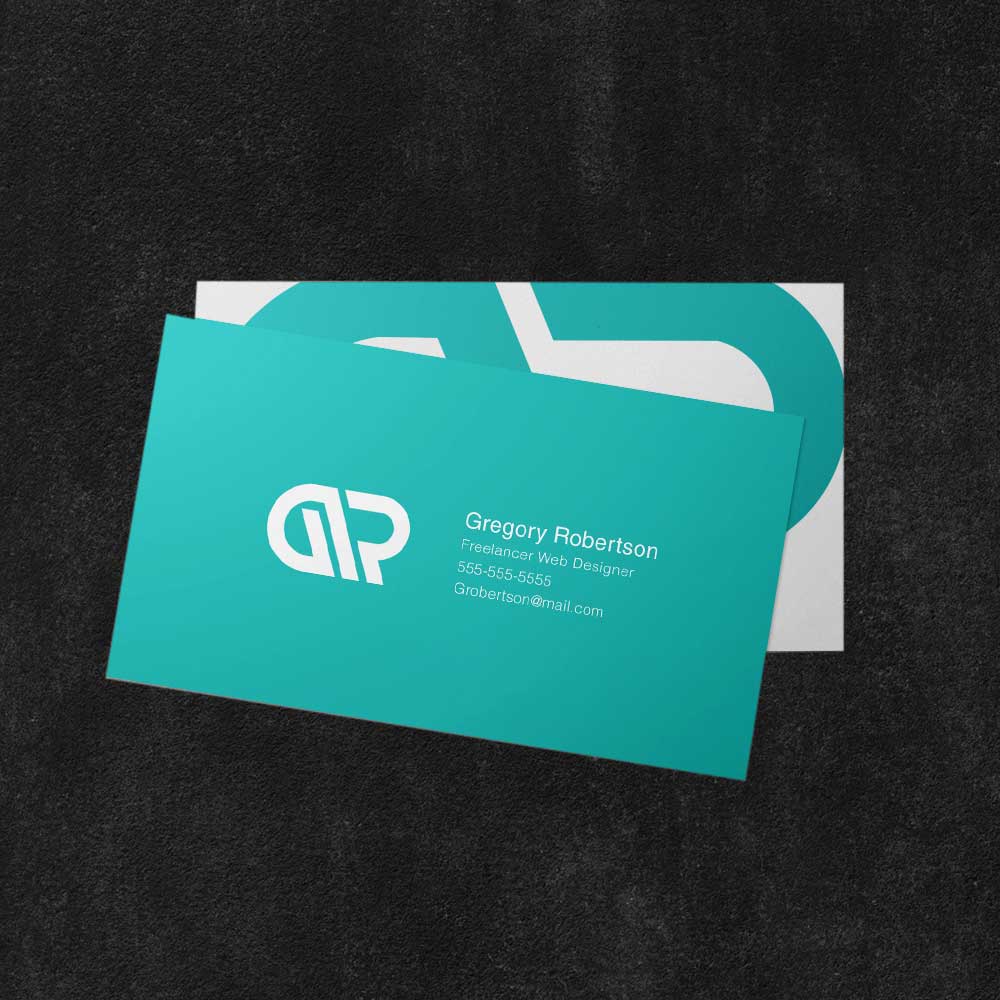
- Eco-Friendly Business Cards ($79). 13pt stock with 30% post-consumer recycled content. Uncoated for authentic feel. The default for sustainability-positioned brands.
- Enviro Uncoated Greeting Cards ($159). 13pt enviro recycled stock with envelopes included. For brand outreach and holiday mailings that align with eco messaging.
- FSC-certified premium stocks across our catalog. Business cards, letterheads, brochures, postcards available on FSC-certified stocks on request. Our offset printing process uses vegetable-based inks across all paper products.
The Five Eco-Printing Decisions That Matter
- Choose recycled stock where it fits. Business cards, letterheads, brochures, postcards all work well on 30% post-consumer recycled. The texture is slightly more matte and “natural” than virgin stock.
- Use FSC-certified paper for non-recycled needs. Some products do not work on recycled stock (high-security cheques need controlled paper). FSC certification is the next-best sustainability signal.
- Order what you will use over 6-12 months. Print-and-discard is the single biggest waste in commercial printing. Order quantities matched to actual consumption.
- Consider digital-first alternatives where appropriate. Not every invoice needs to be mailed. Not every newsletter needs to be printed. But genuine sustainability is not about eliminating print; it is about printing thoughtfully.
- Choose local printing over offshore. Carbon footprint of paper printed and shipped from overseas dwarfs the marginal cost difference. Toronto printing is the lower-carbon choice over offshore options.
Industries Where Eco-Printing Genuinely Moves the Needle
- Wellness and natural health practitioners. Customers expect alignment between treatment philosophy and brand materials. See our wellness practice stationery guide.
- Environmental consultants and B Corps. Stationery is a credentialing tool; sustainability claims need substantiation.
- Organic and natural food retail. Brand consistency between the products sold and the materials used.
- Charities focused on environmental causes. Donor scrutiny of operations is highest in this category. See our non-profit stationery guide.
- Yoga studios, holistic wellness, sustainable beauty. Audience expectations are explicit. See our fitness studio guide and beauty salon guide.
- Sustainable fashion and ethical retail. Brand promise extends to every brand touchpoint including stationery.
Industries Where Eco-Printing Is a Reasonable Addition But Not the Lead
- Law firms, accounting practices, professional services. Sustainability is a reasonable supporting claim but not the brand lead.
- Healthcare practices. Patient communications on FSC-certified stock signal responsibility without being the focus.
- Real estate. Younger urban demographics increasingly value sustainability; older suburban demographics less so. Audience-dependent.
Industries Where Eco-Printing Is Mostly Irrelevant
- Heavy manufacturing AP. Cheques need security features that override eco considerations.
- Trust accounts (legal, property management). Multi-layer fraud protection requires specific paper stocks; eco is not the primary specification.
- High-volume direct response marketing. Per-piece cost dominates; eco premium does not justify itself.
How to Communicate Your Eco-Printing Choices to Customers
- Tagline or footnote on materials: “Printed on 30% post-consumer recycled stock with vegetable-based inks.” Specific and verifiable.
- Brand story integration: If sustainability is part of your brand, mention printing choices in your About page or sustainability report.
- Avoid vague claims. “Eco-friendly” without substantiation reads as greenwashing. “FSC-certified paper” with the certification logo reads as real.
- FSC logo placement. The FSC mark can appear on materials printed on FSC-certified stock. Visible logo is a credibility signal.
The Real Sustainability Math, Print vs Digital
A common misconception: digital is always more sustainable than print. The reality is more nuanced:
- Single touch: A read-and-discard postcard has lower lifecycle carbon than the digital ad equivalent reaching the same audience with the same impact.
- Long-term reference materials: A printed brochure read once and discarded is wasteful; a digital PDF read once on a screen is lower-impact.
- Stationery used repeatedly: Letterhead, business cards, presentation folders used over months or years have very low per-impression carbon.
- Email mass mailings: The carbon footprint of mass emails read on screens and immediately deleted is non-trivial.
The honest answer: print and digital each have appropriate use cases; the sustainability question is whether you choose the appropriate channel for each communication.
Frequently Asked Questions
What is the most eco-friendly business card option?
Our 13pt Enviro Uncoated Business Cards at $79 use 30% post-consumer recycled paper. The uncoated finish has authentic feel without the chemical coating that complicates recycling.
Is recycled stock noticeably different from virgin stock?
Slightly. The texture is marginally more matte and natural-feeling. Print quality and colour fidelity are essentially identical for most use cases.
Does eco-friendly printing cost more?
The premium is typically 10-30% over equivalent virgin-stock products. For most brand-positioning purposes, that premium pays back in brand-alignment value.
Can I get FSC-certified business cards from Cheque Store?
Yes, several of our premium business card stocks are FSC-certified. Specify FSC certification at order time and we will confirm the specific certification on your chosen stock.
Where can I learn about specific eco-printing tactics?
See the supporting articles in this cluster: recycled paper stocks deep dive, vegetable-based inks and VOC reduction, FSC certification for Canadian businesses, and B Corp positioning through print materials.
Start Your Eco-Friendly Print Order Today
Eco Business Cards, $79 Get Custom Quote
Industry buying guides you may also find useful
If you operate in one of these sectors, our industry stationery guides cover the specific products and workflows that fit your business: