

Cheque Store offers tax filing tailored for Greater Toronto Area businesses. Our team handles tax filing production end-to-end with same-day GTA pickup available.
This Cheque Store guide covers tax filing for Toronto and Greater Toronto Area businesses. Read on for tax filing best practices, compliance notes, and Cheque Store recommendations on tax filing.
Tax filing season is the one time of year every Canadian business owner sends formal correspondence to the CRA, the provincial tax authorities, their accountant, and potentially multiple shareholders or partners. The stationery that supports those communications, letterhead for formal CRA correspondence, professional envelopes for mailing returns, presentation folders for delivering tax packages to advisors, stamps for organizing incoming and outgoing tax documents, are often the overlooked finishing touches that signal an organized, professional operation. This guide covers the tax-filing stationery essentials for Canadian businesses. Part of our new business stationery cluster.
Check the back of your tax form for the specific mailing address, it varies by form type and year.
Audit response stationery matters because the auditor’s impression of your business affects how aggressively they pursue questions. Professional, organized responses on branded letterhead with presentation-folder organized supporting documents read as a serious business with proper records. Ad-hoc responses on plain paper read as a disorganized business that may be hiding something.
It does not affect the formal processing rules, but professional presentation signals an organized business that maintains proper records. Auditors and tax officers are humans; presentation affects how they perceive risk and complexity.
Yes, for any business making tax payments above $5,000. CRA payment cheques are high-target fraud opportunities (large, predictable, public payee). Multi-layer security stock is appropriate.
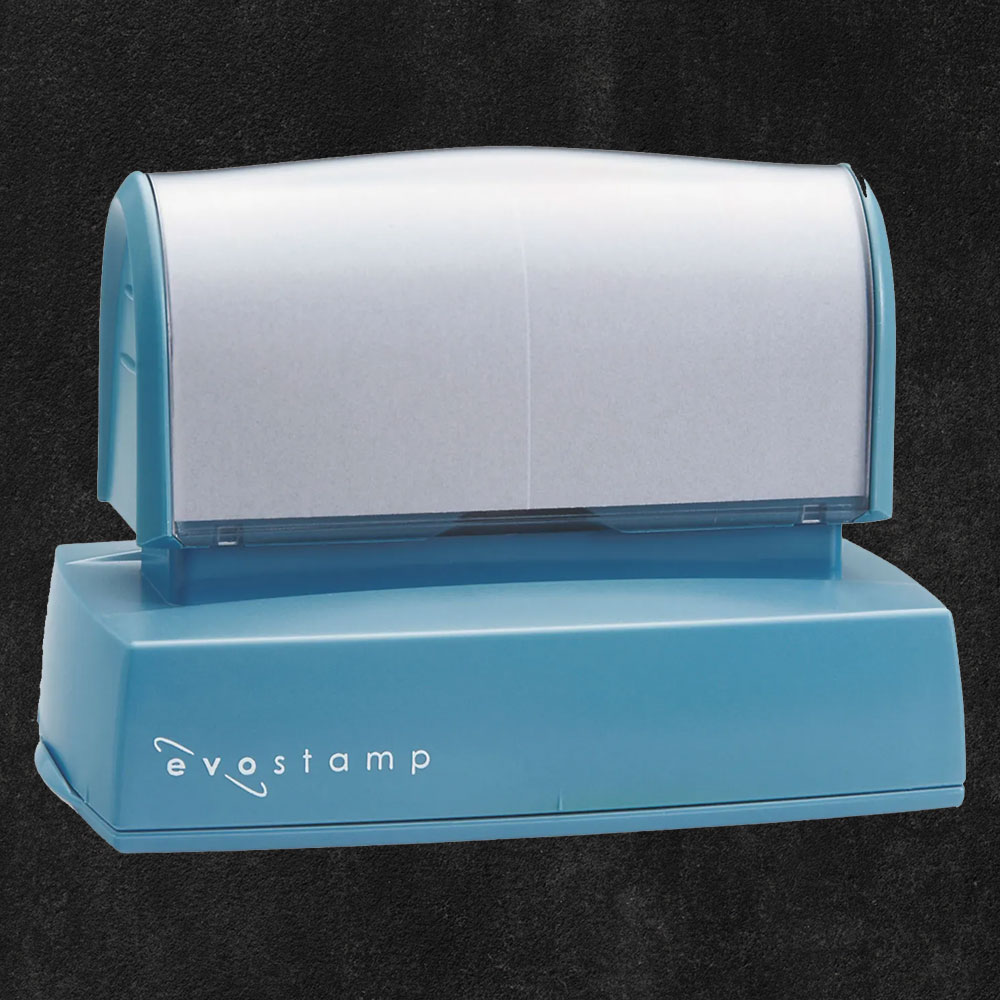
Yes. Common custom stamps: “FILED” with current year date, “GST REMITTED”, “PAID”, and date stamps for incoming-document tracking. See our self-inking stamps guide.
CRA requires 6 years from the end of the tax year. Use presentation folders or branded binders to organize each year systematically; replace the cover label annually.
Many accounting firms operate wholesale Cheque Store accounts and order on behalf of clients. Talk to your accountant; the consolidated invoicing may be more convenient than ordering yourself.
This is the tax-and-government piece of the broader 90-day stationery checklist. Other pieces include incorporation stationery, your first business cheque account, and branding starter kit.
Premium Letterheads, $119 Complete Stationery Checklist
If you operate in one of these sectors, our industry stationery guides cover the specific products and workflows that fit your business:
For additional Canadian print industry context, see the CPA Canada resources on business stationery standards.


Talk to experts
+1. 647. 501. 7200
Have any Question
Mail us
[email protected]
Copyright © 2024 Cheque Store.
Designed and Developed by Faster Better Websites | Powered by Motionhosting.com | Ranked by SEORank.club | TERMS AND CONDITIONS | PRIVACY POLICY